Water can enter a building through terraces, walls, bathrooms, basements, joints, cracks, and other vulnerable areas. Because the source and conditions vary, waterproofing coatings and solutions should be selected according to the specific location rather than using one product everywhere.
Understanding the differences between waterproofing applications can prevent unsuitable material selection.
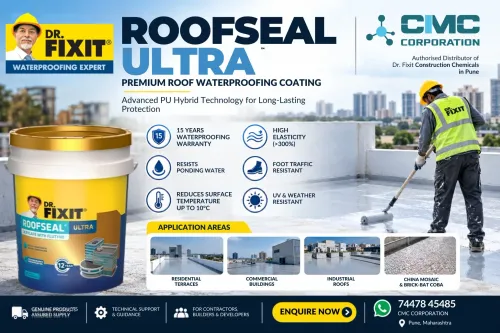
Terrace Waterproofing
Terraces experience direct exposure to sunlight, rainfall, temperature changes, and standing water in poorly drained areas.
A terrace waterproofing system may require:
- Proper surface preparation
- Crack and joint treatment
- Suitable primer where specified
- Waterproof coating or membrane system
- Correct application thickness
- Adequate curing
- Appropriate protective treatment where necessary
Drainage should also be inspected because waterproofing alone cannot compensate for persistent water accumulation caused by incorrect slopes or blocked outlets.
Bathrooms and Wet Areas
Bathrooms, utility areas, kitchens, and other wet zones require waterproofing before final finishes are completed.
Particular attention should be given to:
- Wall-floor junctions
- Pipe penetrations
- Drain outlets
- Corners
- Sunken portions
- Areas around sanitary fixtures
The selected waterproofing system should also be compatible with subsequent tile adhesives, screeds, or finishes.
Basement Waterproofing
Basements can present more complex moisture conditions because water pressure may come from surrounding soil.
Product selection depends on factors such as:
- Type of structure
- Existing moisture condition
- Positive or negative side application
- Construction joints
- Cracks
- Accessibility of surfaces
A proper assessment is particularly important for existing basements where the original waterproofing system is no longer accessible.
External Wall Protection
Exterior walls in Pune are exposed to seasonal rainfall and changing weather conditions. Cracks, porous surfaces, defective joints, and deteriorated coatings can contribute to dampness.
Water-resistant exterior coatings may form part of the solution, but underlying cracks and defects should be repaired before applying the final protective system.
Choosing Waterproofing Materials in Pune
Pune's monsoon season makes preventive waterproofing particularly important for residential, commercial, and industrial properties.
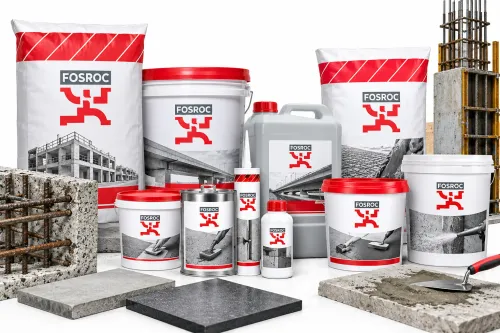
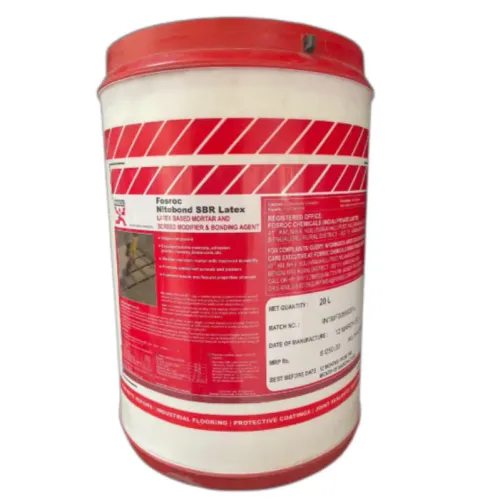
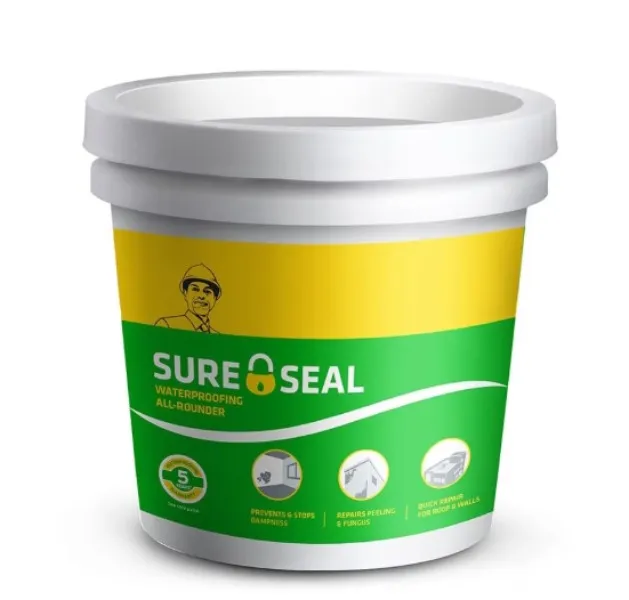
CMC Corporation supplies construction materials that can support different waterproofing and project applications. Before purchasing, buyers should provide information about the surface, existing condition, exposure, and intended finish so that the relevant product category can be identified.
Good Waterproofing Starts Before Application
Even a suitable waterproofing product can underperform when surface preparation is inadequate.
Before application:
- Remove loose material and contamination.
- Identify cracks and defective joints.
- Repair damaged substrate areas.
- Follow recommended priming requirements.
- Apply the specified number of coats or layers.
- Maintain recommended drying and curing intervals.
Successful waterproofing is therefore a combination of correct diagnosis, appropriate materials, proper detailing, and disciplined application. Selecting a waterproofing solution according to the actual area and exposure conditions provides a more reliable approach than choosing a generic coating for every moisture-related problem.
Keywords